Analyzing Top Food Streamers: What Makes Their Content Viral
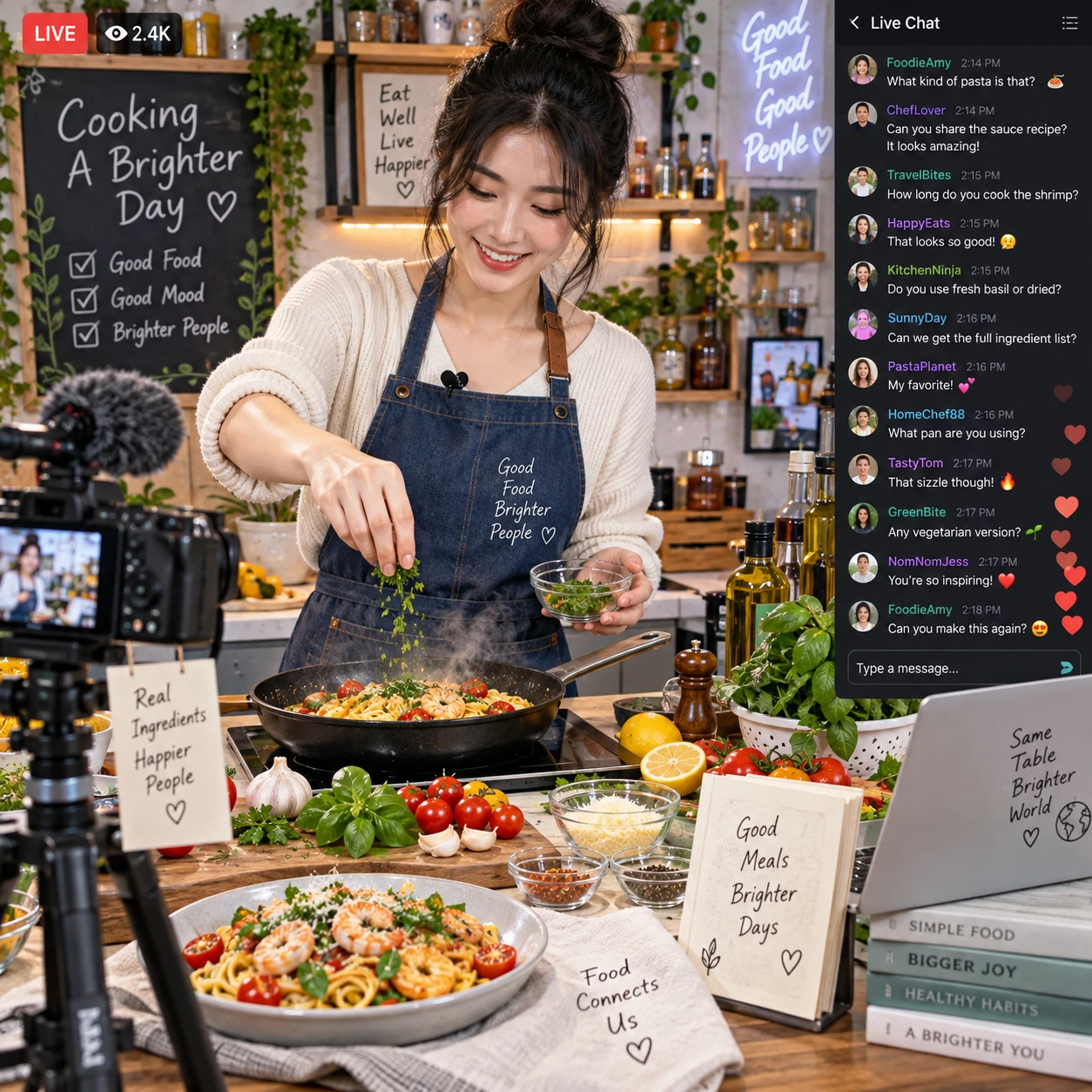
A pot begins to bubble, a knife moves through crisp vegetables, and viewers wonder whether the final dish will work. Food livestreaming brings preparation, presentation, and audience reaction together in real time, giving people a reason to stay beyond a quick recipe video. When a stream spreads beyond its regular audience, it is usually because a clear concept, engaging on-screen presentation, and a moment worth sharing all came together.
Analyzing top streamers can offer useful ideas, but there is no guaranteed formula for viral content. Food creators can borrow the principles behind effective live cooking, tastings, and food challenges, then adapt them to their own personality, kitchen, and community.
Why Food Livestreams Capture Attention
Food livestreams hold attention by letting viewers watch a dish change from raw ingredients to a finished plate in real time. The process creates anticipation, while the host’s reactions and audience chat make the experience feel shared rather than prerecorded.
Food also gives a stream a built-in sequence: choose ingredients, prepare them, cook or assemble the dish, and taste the result. Each step creates a small question for viewers. Will the sauce come together? Is that ingredient a good idea? How will the dish look when plated?
Visible transformation is a major part of the appeal. A bowl of flour becoming fresh pasta, a browned crust emerging from a pan, or a table filling with a tasting flight gives the audience something to follow even if they join midway through. The host’s commentary adds context, turning simple actions into a story.
Food streams can also feel welcoming because viewers do not need specialist knowledge to participate. They can share a cooking tip, name a favorite topping, or simply react to a dramatic first bite. That accessibility helps top streamers build community, though it still takes a clear point of view to stand out among many creators making similar dishes.
Formats That Give Viewers a Reason to Tune In
Strong food stream formats give viewers a clear promise: they know what is being made, tasted, or tested and why it may be fun to watch. Live cooking, tastings, and food challenges work best when the concept is easy to understand and has a natural payoff.
A live cooking stream can follow a familiar recipe or build toward a specific result, such as making dumplings from scratch or preparing a weeknight meal with three audience-selected ingredients. The format should leave room for conversation without losing the cooking thread. Explain what is happening before a long chopping or baking stretch, then check in with viewers during slower stages.
Tastings offer a simple structure: compare several sauces, sample regional snacks, or test different versions of one dish. Give each item a consistent measure, such as texture, heat, or value, so viewers can follow the comparison. Food challenges can create stronger stakes, but keep them safe and food-focused. A blindfolded flavor test or a viewer-designed sandwich is easier to sustain than a stunt that encourages waste or uncomfortable eating.
- Live cooking: Build anticipation around a dish and explain key techniques as you go.
- Tasting stream: Compare foods using clear criteria and honest reactions.
- Food challenge: Set a playful constraint, such as a limited ingredient list or a viewer-voted flavor combination.
- Kitchen Q&A: Answer cooking questions while preparing a dish that fits the topic.
Choose a format that fits your time and kitchen. Elaborate recipes may look compelling, but they require preparation and can leave long stretches with little to watch. A smaller idea, repeated with a fresh twist, may be more sustainable.
Presentation That Makes a Stream Memorable
Memorable on-screen presentation makes food easy to see and the stream easy to follow. Good lighting, a stable camera, thoughtful framing, and deliberate pacing help viewers understand what is happening without requiring a high-end studio.
Prioritize the image viewers need at each moment. A wide shot can show the host and workspace; a closer view helps when demonstrating knife technique, checking a sauce, or revealing the inside of a pastry. Test the camera before going live: shiny pans and pale ingredients can disappear under harsh light, while steam can fog a lens placed too close to the stove.
Sound matters as much as the picture. Viewers need to hear instructions and reactions over fans, sizzling, and running water. A basic microphone positioned away from splashes may improve clarity more than another camera. Keep ingredients and tools within reach so the host does not repeatedly leave the frame.
Pacing is part of the presentation. Narrate quiet steps, summarize what has changed, and tell late arrivals what the dish is and how far along it is. A recognizable style can come from a recurring apron, a signature plating ritual, or a calm teaching approach. It does not have to be a theme imposed on every meal.
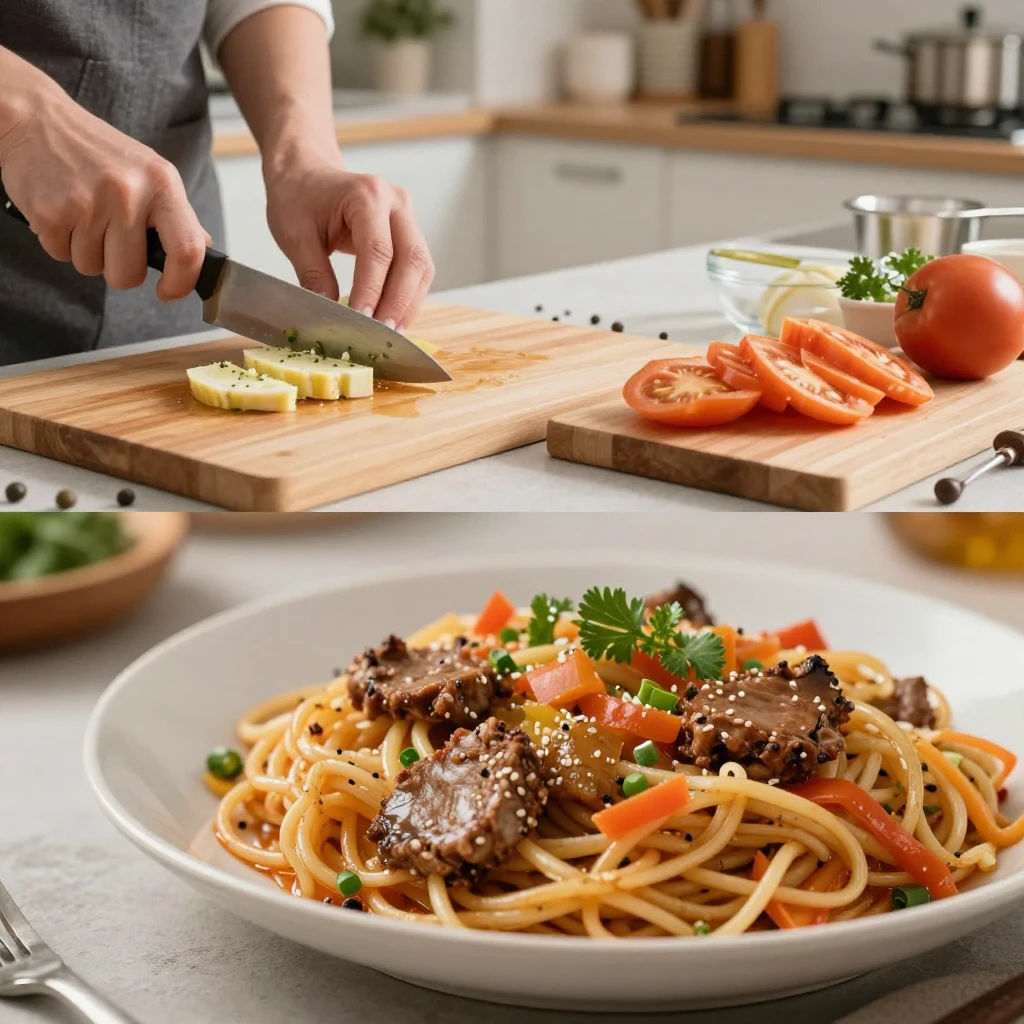
How Streamers Turn Viewers Into Participants
Food streamers turn viewers into participants by giving them specific, easy ways to influence the show. Questions, polls, and suggestions work best when the host acknowledges responses and shows how they affect the cooking or conversation.
Instead of asking only, “What do you think?”, offer a choice viewers can answer quickly: Should the dish have chili oil or sesame sauce? Which of two snacks should be tasted first? A poll can guide a low-risk decision, while chat suggestions can inspire a topping or plating idea.
Participation needs a visible payoff. If viewers vote on a filling, name the winning option before using it. If someone shares a useful substitution, credit the idea and explain whether it suits the recipe. These small acknowledgments show that audience engagement is part of the stream, not a prompt added to keep the chat moving.
Keep interaction manageable. A host cooking with sharp tools or handling hot oil cannot safely respond to every message in real time. Set expectations, pause at safe moments to read chat, and repeat questions aloud so viewers understand the exchange. A moderator can help organize questions during a busy stream, but a small channel can also use simple routines, such as checking chat between recipe stages.
Creating Moments Viewers Want to Share
Shareable livestream moments are brief, understandable highlights with a clear reaction, reveal, or useful takeaway. A surprising ingredient combination, a successful flip, or an honest first taste can travel beyond the live audience when the moment makes sense on its own.
Plan for opportunities, not scripted reactions. A stream might compare a familiar recipe with a viewer-suggested twist, then taste both versions. The contrast gives the segment a beginning, a result, and a natural response. A neatly plated reveal or a quick tip about rescuing a split sauce can also make a strong clip because viewers can understand its value without watching the whole broadcast.
Clarity makes social sharing easier. Say the dish name, explain the challenge, and keep important action in frame. Avoid putting a long explanation before the payoff; viewers who encounter a short clip need enough context to understand why the moment matters. Follow the relevant platform’s rules and get permission before featuring another person’s identifiable image or voice.
Not every highlight needs to be spectacular. A warm exchange with a regular viewer or a useful cooking correction may be more representative of a channel than an exaggerated reaction. Shareable moments can attract new viewers, but they do not guarantee that those viewers will return. The full stream still needs an engaging format and a welcoming community.
Applying Viral Principles Without Losing Authenticity
Apply viral principles by testing one change at a time while keeping the food and your personality at the center. A clear concept, readable presentation, and meaningful audience participation improve a stream’s chances of connecting, but no checklist can guarantee viral content.
Use a simple review after each broadcast: concept, visibility, participation, and payoff. Was the stream’s promise obvious? Could viewers see the food clearly? Did chat influence anything? Was there a satisfying reveal or useful result? Note one improvement for next time rather than redesigning the whole show.
For example, if viewers drop away during a long simmer, explain the next step before the wait and use that time for questions about ingredients or substitutions. If chat is active but the dish is hard to see, adjust the camera angle before adding more interactive features. This order matters: participation cannot rescue a stream where viewers cannot follow the cooking.
Avoid common traps that make food content less credible or harder to sustain:
- Copying a top streamer’s entire persona: Their style may not fit your audience or comfort level. Borrow a format idea, then adapt it to your own food interests and speaking style.
- Choosing a challenge only for shock value: Extreme quantities or wasteful stunts can distract from the food and put safety at risk. Set playful constraints that still produce something viewers would want to taste.
- Over-polishing the kitchen: A pristine set can look good but take time to maintain. Prioritize safe food handling, a clear camera view, and a workspace you can use comfortably.
Track practical signals such as which segments prompt questions, when viewers join or leave, and which clips bring people back for another stream. Treat those observations as clues, not proof of a universal formula. Consistency matters, but a schedule that fits your life is more useful than one you cannot maintain.
Frequently Asked Questions About Food Livestreams
Food livestreams tend to work best when the format is easy to follow and viewers have a genuine way to take part. These answers address common questions about attention, interaction, shareability, and production quality.
What food livestream formats tend to hold viewers’ attention?
Live cooking, structured tastings, and safe food challenges can all hold attention when each has a clear goal and payoff. Choose a format that leaves room for conversation and gives viewers a reason to stay for the result.
How can a food streamer encourage audience participation?
Ask specific questions, offer simple polls, and invite suggestions that can realistically affect the dish. Acknowledge useful responses and explain what you did with them; participation feels more meaningful when viewers see the outcome.
What makes a livestream moment shareable?
A shareable moment is easy to understand, visually clear, and built around a reveal, reaction, comparison, or helpful tip. Give it enough context to make sense outside the full broadcast.
Does a food stream need a highly polished setup to stand out?
No. A stable camera, clear light, intelligible audio, and safe, organized food preparation are a stronger starting point than expensive equipment. Add production upgrades only when they solve a real problem for viewers.