How Cross-Border Online Gaming Works: A US Player's Guide to Live Dealer Casino Regulations in North America

I've spent a good chunk of the last few years digging into online gambling regulation across North America, and if there's one thing I keep coming back to, it's this: the border between the US and Canada matters a lot more than most players realize. If you're sitting in a state without legal live dealer casinos—or you're just tired of the limited game libraries on your local platform—you've probably wondered whether looking north makes sense. This guide walks through exactly how cross-border online gaming works, what the regulations actually say, and how to evaluate platforms so you're not gambling with your safety along with your money.
Understanding Cross-Border Online Gaming: What US Players Need to Know
Cross-border online gaming, in plain terms, refers to American players accessing licensed gambling platforms based outside the US, most commonly in Canada, Malta, or Curacao-regulated jurisdictions. It's not some shadowy loophole—it's a reality shaped by how fragmented US gambling law actually is. Each state decides its own rules, which means your neighbor two states over might have access to a full live dealer catalog while you're stuck with a handful of slots.
Why US Players Explore International Gaming Markets
Here's the practical reality: only a handful of US states currently permit regulated online live dealer casinos. Everywhere else, players are left with sports betting apps, daily fantasy sites, or nothing at all in terms of legal online casino gaming. That gap pushes curious players toward international operators, and Canadian platforms in particular have built a strong reputation for quality streaming, professional dealers, and broader game selections than what's typically available domestically. It's not about avoiding rules—it's about understanding which rules actually apply to you and finding operators that are properly licensed, even if they're not based in your home state.
The Regulatory Landscape: US Gaming Laws vs. North American Neighbors
Understanding the legal framework is step one before anyone should even think about signing up for an account. The US and Canada handle online gambling oversight in fundamentally different ways, and that difference explains a lot about why the player experience varies so much depending on where you're logging in from.
State-by-State Live Dealer Casino Legality in the US
Right now, live dealer online casinos are legally available in New Jersey, Pennsylvania, Michigan, West Virginia, and Connecticut. That's it—five states out of fifty. Everywhere else, there's either no framework at all or gambling remains restricted to tribal land-based venues and sports betting. This patchwork system is a direct result of the Unlawful Internet Gambling Enforcement Act and the fact that the Wire Act's interpretation has shifted over the years, leaving states to essentially write their own rulebooks. If you live in Texas, Florida, or California, for instance, there's currently no legal path to a state-licensed live dealer casino online.
How Licensing Bodies Differ (Curacao, Malta, Kahnawake, Provincial Canadian Licenses)
Licensing is where things get genuinely interesting. In the US, each state gaming commission (like the New Jersey Division of Gaming Enforcement) directly regulates operators. Canada operates differently—there's no single national framework. Instead, you've got the Kahnawake Gaming Commission, based on Mohawk Territory, which licenses a huge number of international operators, plus provincial bodies like the Alcohol and Gaming Commission of Ontario (AGCO) that regulate platforms serving Ontario residents specifically. Then there's Malta Gaming Authority and Curacao eGaming, which license platforms serving players globally, including many that Canadian and American players access.
Each license carries different player protections. Malta and Kahnawake tend to enforce stricter auditing and dispute resolution processes, while Curacao licenses have historically had a reputation for being easier to obtain, which sometimes correlates with less rigorous oversight. Knowing which license sits behind a platform tells you a lot about what kind of protection you'll have if something goes wrong.
What Makes a Live Dealer Casino Trustworthy and Compliant
Once you understand the regulatory backdrop, the next question is practical: how do you actually vet a platform? I've found that a handful of consistent signals separate legitimate operators from ones you should avoid entirely, regardless of which country they're licensed in.
Key Red Flags vs. Green Flags When Choosing a Platform
Green flags I look for include:
- Clearly displayed licensing information with a verifiable license number
- Third-party fairness certifications from eCOGRA or GLI (Gaming Laboratories International)
- Transparent payout timelines, typically 24-48 hours for verified accounts
- Responsive customer support available through live chat, not just email
- Clear terms around bonuses, wagering requirements, and withdrawal limits
Red flags that should make you close the tab immediately include vague or missing licensing details, no visible fairness testing certifications, delayed or inconsistent payouts reported across player forums, and pressure tactics around deposit bonuses. If a site can't clearly tell you who regulates them, that's your answer right there.
Comparing Top-Rated Live Dealer Platforms Across North America
This is where things get useful for actually making a decision. US-regulated sites in states like New Jersey and Pennsylvania offer solid, well-tested live dealer experiences, but the game variety is often narrower than what's available on Canadian-facing platforms, largely because Canadian operators aren't bound by the same state-specific content restrictions.
For an in-depth, tested comparison of the top-performing platforms available to Canadian players, US readers researching cross-border options can reference this detailed guide to the live dealer casino Canada market, which ranks the ten best real-dealer sites for 2026 based on rigorous testing criteria including game variety, streaming quality, and payout reliability. It's a genuinely useful starting point if you're trying to understand what 'top-tier' actually looks like outside your home state's limited options.
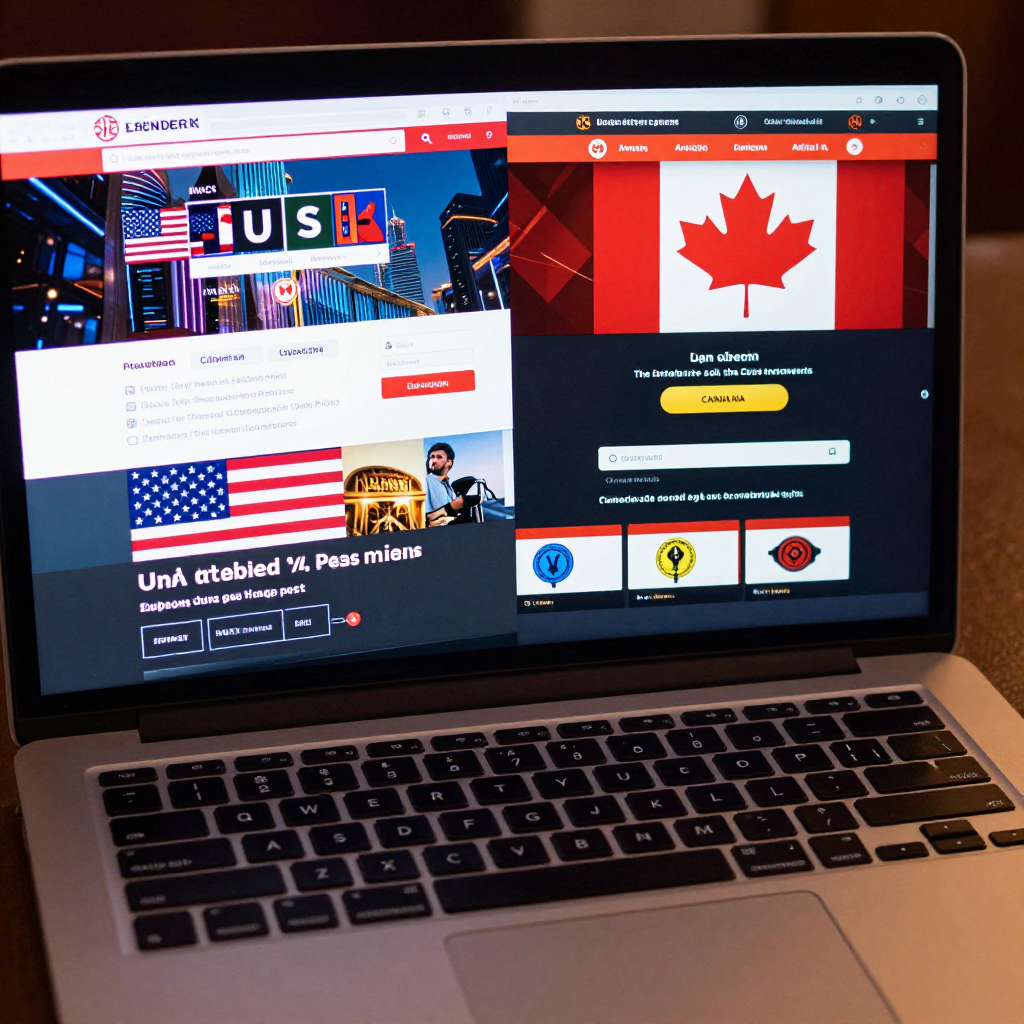
Key Differences Between US Regulated Sites and Canadian Platforms
The most noticeable difference is game selection—Canadian platforms often carry live dealer titles from studios like Evolution Gaming and Pragmatic Play Live that haven't been approved yet in every regulated US state. Banking is another distinction: Canadian sites typically operate in CAD, which means currency conversion becomes part of the equation for US players, whereas domestic US platforms keep everything in USD with no conversion friction. Bonus structures also tend to differ, with Canadian-facing sites sometimes offering more generous welcome packages and ongoing promotions, partly because the competitive landscape north of the border is less saturated with state-specific advertising restrictions.
Practical Considerations for US Players Accessing Canadian Platforms
If you're seriously considering a cross-border platform, there are a few logistical realities worth understanding before you deposit a single dollar. Geolocation technology plays a huge role here—most licensed platforms use IP verification and sometimes device-level geolocation to confirm where you're actually playing from, and terms of service will typically spell out which jurisdictions are permitted to register.
Banking, Currency Conversion, and Withdrawal Timelines
Deposits from US bank accounts or cards to Canadian-licensed platforms usually process through standard payment processors, though you'll want to check whether your card issuer charges a foreign transaction fee—many do, typically around 1-3%. Currency conversion happens automatically at the point of transaction, but the exchange rate applied can vary, so it's worth comparing what your bank charges versus what a prepaid card or e-wallet like Interac (common in Canada) might offer. Withdrawal timelines on well-regulated Canadian platforms generally mirror US standards, often 24-72 hours for verified accounts, though international bank transfers can occasionally add a few extra business days compared to domestic ACH transfers.
Best Practices for Safe Cross-Border Live Dealer Gaming
None of this matters if you're not playing responsibly, and that principle doesn't change just because you've crossed a jurisdictional line. Whether you're on a New Jersey-licensed site or a Kahnawake-regulated Canadian platform, the same fundamentals apply.
Setting Limits and Recognizing Responsible Gaming Tools
Before depositing anywhere, check for deposit limits, session time reminders, and self-exclusion options. Reputable platforms—regardless of country—will offer these tools prominently, often linked to organizations like GamCare or the National Council on Problem Gambling. If a site makes it hard to find these features or doesn't offer them at all, that's a meaningful signal about how seriously they take player welfare.
Conclusion — Making an Informed Choice in 2026
Cross-border online gaming isn't inherently risky or shady—it's simply a reflection of how uneven US gambling regulation still is. The key is doing your homework: understand which license actually governs the platform you're considering, verify fairness certifications, and lean on vetted, tested comparison resources rather than flashy ads. Whether you end up sticking with a domestic option in one of the five regulated states or exploring a well-reviewed Canadian platform, the goal is the same—play somewhere that's transparent, properly licensed, and genuinely accountable to its players.