How to Deal with Trolls and Protect Your Mental Health While Food Streaming
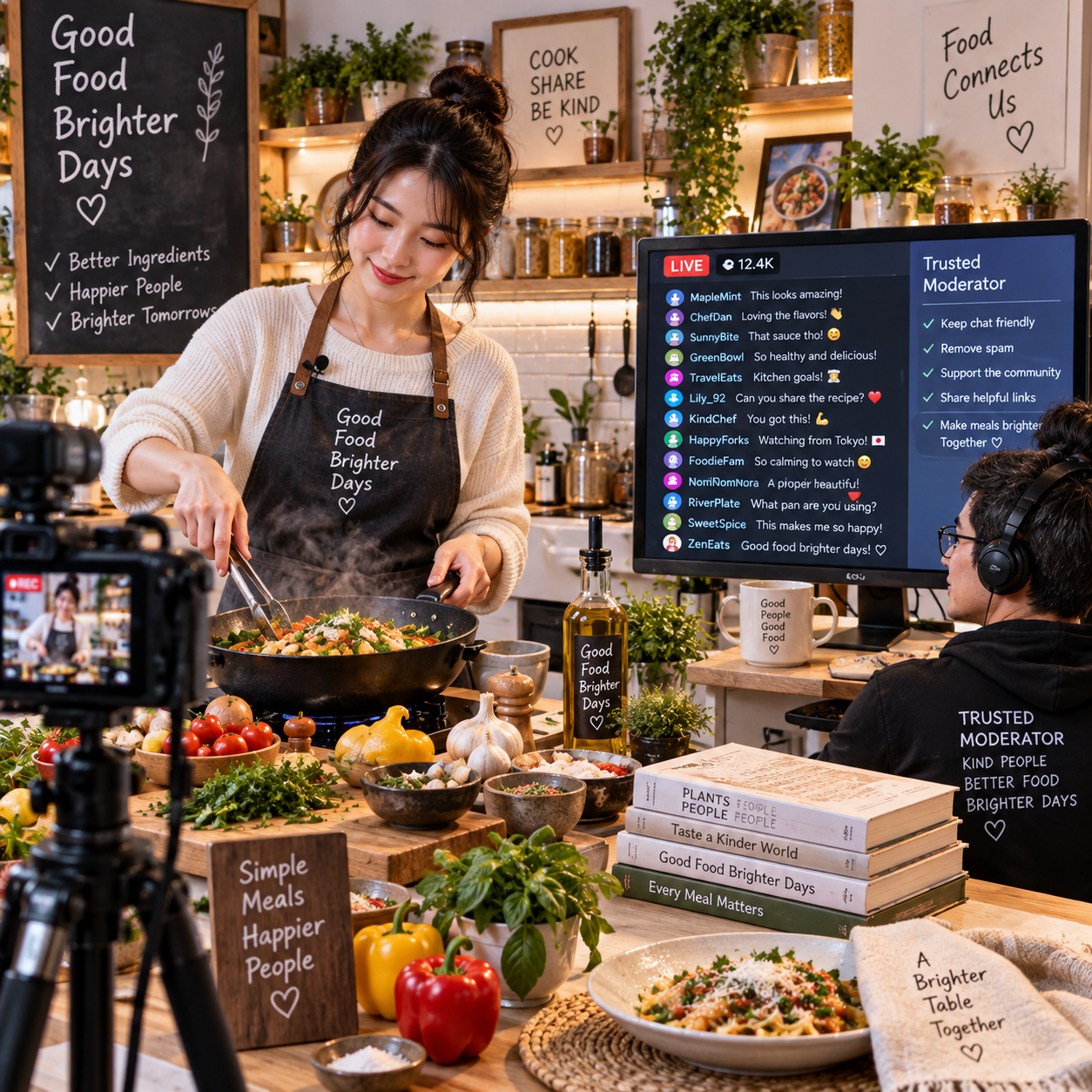
Cooking live asks you to juggle a recipe, a camera, and a conversation at once. Trolls and harassment can make that harder, but you do not have to debate every comment or manage the chat alone. A few clear boundaries and moderation steps can help you protect your focus, your audience, and your mental health.
Why trolls show up in food livestreams
Trolls use disruptive comments to provoke a reaction, interrupt the stream, or make other viewers uncomfortable. In food livestreams, that can look like spam, personal insults, repeated arguments about ingredients, or rude criticism aimed at your cooking or appearance.
Not every negative comment is trolling. A viewer who says a dish seems too salty or asks whether a recipe can be made without dairy may be offering useful feedback or asking a genuine question. Constructive criticism focuses on the food or technique; harassment targets a person, repeats unwanted behavior, or tries to intimidate and disrupt.
That distinction helps you choose a response without treating every disagreement as an emergency. You can consider a practical cooking suggestion and still remove a comment that crosses your boundary. You are not required to prove a viewer’s intent before protecting the chat.
Prepare your stream before you go live
Set community guidelines and moderation tools before the food livestream begins. Clear rules, ready-to-use controls, and a trusted moderator reduce the decisions you need to make while handling knives, heat, and timing.
Keep your chat rules short and visible. For example: “Discuss the recipe respectfully. No personal attacks, hate speech, spam, or repeated disruption.” Explain that moderators may remove comments, time out viewers, or block accounts that break those rules. Consistency matters more than a long list of rules nobody can remember.
Before going live, check the platform’s chat moderation settings. Depending on the service, you may be able to filter common spam, restrict links, hold potentially harmful messages for review, or limit who can comment. These tools reduce some interruptions, but they cannot catch every abusive message. Review their effects so a useful question about substitutions does not get hidden along with spam.
If possible, ask a trusted moderator to watch chat while you cook. Agree on what they should remove immediately and when they should alert you. A simple division of responsibility works well: the moderator handles rule-breaking, while you answer recipe questions and keep your attention on the stove. If you stream alone, learn the block and report tools in advance and keep the chat layout easy to ignore when necessary.
Respond without letting the chat take over
To handle a disruptive comment, choose the least distracting response that protects the stream: ignore it, redirect the conversation, time out the viewer, block the account, or report the behavior. You do not need to respond publicly before using moderation tools.
- Ignore a one-off bait comment if it is not harming the conversation. A reaction can reward someone who is seeking attention.
- Redirect briefly when a comment derails the topic: “Let’s keep chat on the recipe. The onions are ready, so I’m adding the spices now.” Then continue cooking.
- Time out a viewer who keeps disrupting chat after a clear boundary or warning. This pauses their participation for a set period, where the platform offers that option.
- Block someone who uses personal attacks, targeted harassment, or repeated unwanted contact. Report content that violates the platform’s rules, especially threats or hateful abuse.
While cooking, avoid reading every message aloud or opening a long exchange. Pause at a safe moment before using a device, and ask your moderator to act if one is available. Do not retaliate, reveal private information, or share a troll’s comment to drive engagement; those choices can escalate the situation and bring more attention to the harassment.
A calm, short response is enough. You can say, “That comment breaks our guidelines, so the moderator has removed it,” and return to the recipe. If the behavior continues, use the tools rather than negotiating the boundary.
Keep the stream welcoming for your audience
A welcoming food livestream makes respectful participation visible and keeps the recipe at the center. Remove disruptive comments, then give your attention to viewers who are asking genuine questions or sharing useful cooking experience.
Answer constructive questions in a way that includes the wider chat: “You can use canned tomatoes here; drain them first so the sauce stays thick.” That gives the audience something useful to follow and helps the stream recover its rhythm without turning moderation into the main event.
Thank viewers who follow community guidelines, but avoid making one person responsible for calming the room. A moderator should enforce rules consistently, not argue with trolls or become the target of a public dispute. If a difficult exchange has interrupted the cooking, name the reset briefly: “We’re back to the dough. It should feel soft, not sticky.” Then show the next step.
Community guidelines work best when they apply to everyone, including regulars and friends. That consistency helps viewers understand that respectful discussion is welcome, while personal attacks and repeated disruption are not.
Protect your mental health during and after the stream
Protect your mental health by setting limits on what you read, how long you stay live, and when you check chat. A brief pause or an early sign-off is a reasonable choice if harassment is affecting your safety or ability to continue.
Before streaming, decide on a boundary: for example, you will not answer comments about your body, debate personal attacks, or keep cooking if you feel too overwhelmed to do so safely. During the broadcast, take a sip of water, step away from the camera for a moment, or ask a moderator to cover chat while you finish a hands-on task. Never rush a hot pan or sharp-knife step to keep up with comments.
After the stream, use a short post-stream decompression routine. End the broadcast, put down the chat device, and take a few minutes to breathe, stretch, or tidy the kitchen before reviewing messages. If you need to document harassment for a report, save only what is useful and avoid repeatedly rereading upsetting comments.
Then make a practical choice: adjust filters, clarify a rule, ask someone you trust to check in, or leave the setup as it is if the issue has passed. You do not have to turn every difficult stream into a full investigation. A boundary can protect your time as well as your mood.
Know when to get extra support
Get extra support when harassment persists, includes threats, follows you across platforms, or feels too overwhelming to manage alone. Tell someone you trust, use the platform’s block and report tools, and preserve relevant evidence if you may need to report a serious incident.
For threats or concerns about immediate safety, prioritize your safety and contact appropriate local support or emergency services. Platform reporting processes differ, so check the service’s current guidance for reporting abuse and securing your account. You can also pause or cancel a livestream; staying online is never more important than your well-being.
If stress lingers after the stream or starts affecting sleep, mood, or your willingness to cook on camera, talk with a trusted person or a qualified mental health professional. Support does not mean you have failed at moderation. It gives you space to decide what boundaries and streaming arrangements feel sustainable.
FAQ
Should I respond to trolls during a food livestream?
Usually, keep any response brief and return to the recipe. Ignore minor bait, redirect the chat if needed, and let a moderator or platform tool handle repeated disruption. You do not owe a troll a debate.
When should I block or report a viewer?
Block a viewer when they repeatedly break your boundaries, target you with personal abuse, or make the chat unsafe. Report comments that appear to violate the platform’s rules, particularly threats, hateful abuse, or persistent harassment. Use your platform’s specific reporting guidance.
How can I moderate chat while cooking?
Set rules and moderation filters before going live, and ask a trusted moderator to manage chat if possible. If you are streaming alone, check messages at safe pauses rather than while handling hot cookware or sharp tools, and use timeouts or blocks when a viewer continues disrupting the stream.
What can I do if trolling affects me after the stream?
Step away from chat, use a calming post-stream routine, and talk with someone you trust. Save relevant evidence if you need to report the behavior, but avoid repeatedly reviewing upsetting messages. If the distress continues or disrupts daily life, consider support from a qualified mental health professional.